
- why-switch-from-tent-to-hammock-appalachian-trail
- tent-vs-hammock-backpacking-comparison-real-experience
- ultralight-hammock-camping-on-appalachian-trail
- sleep-comfort-and-gear-efficiency-on-long-hikes
- lessons-from-section-hiking-the-appalachian-trail
Why I Switched from a Tent to a Hammock for Appalachian Trail Section Hikes
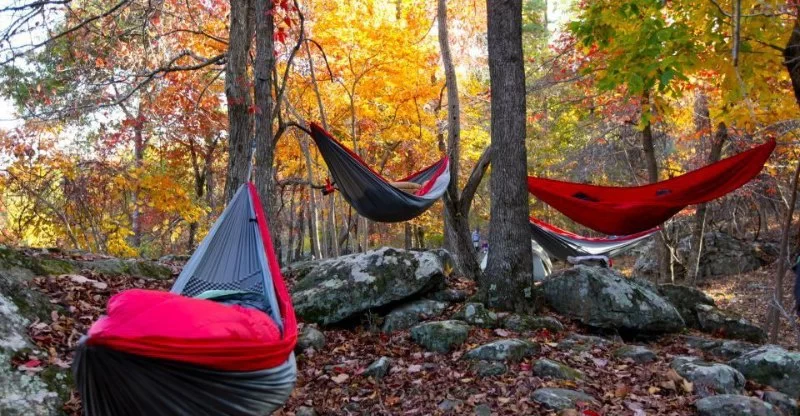
Switching from a tent to a hammock for Appalachian Trail section hikes wasn’t something I planned in advance—it happened gradually, after enough nights on uneven ground, sloped campsites, and damp forest floors to make me question whether my setup was actually helping or hurting my sleep. At some point, comfort stopped being a luxury and became a performance issue. If you can’t sleep well on a multi-day hike, everything else starts to fall apart.
The Appalachian Trail is beautiful, but it doesn’t always offer perfect tent sites. That reality pushed me toward hammock camping Appalachian Trail setups, and over time, I realized the switch wasn’t just about weight—it was about sleep quality, flexibility, and how I recover each night on the trail.
What Made My Tent Setup Start to Fail Me on Section Hikes
Uneven ground became a recurring problem
On shorter weekend hikes, I didn’t notice the issue much. But during longer Appalachian Trail section hikes, campsite selection became unpredictable. Sloped ground, exposed roots, and muddy patches meant I was constantly adjusting my tent position rather than resting.
Even when I found a decent spot, sleep quality varied wildly depending on terrain. Some nights were fine, others left me waking up stiff and poorly rested.
A real moment on the trail that changed my perspective
One night in Virginia’s forest section of the trail, I spent nearly an hour trying to flatten a tent site that simply refused to cooperate. Nearby, a hiker set up a hammock in minutes between two trees and was already resting while I was still rearranging gear. That contrast stayed with me longer than expected.
Discovering Hammock Camping on the Appalachian Trail
Why hammocks solved the terrain problem instantly
The biggest advantage of switching to a hammock setup was eliminating the need for flat ground. Instead of searching for a perfect campsite, I only needed two solid trees. That alone changed how I planned my hiking days.
Sleeping suspended above uneven terrain removed pressure points caused by roots and rocks. The comfort difference was immediate, especially on multi-day section hikes where fatigue builds quickly.
The learning curve most hikers underestimate
Hammock camping Appalachian Trail setups are not just “lighter tents.” There’s a learning curve—proper hang angle, insulation layering, and weather protection all matter. My first night wasn’t perfect; I underestimated wind chill and woke up colder than expected.
But once I adjusted with underquilts and better tarp positioning, the system became incredibly reliable.
Tent vs Hammock: What Actually Changed on the Trail
Sleep quality became more consistent
With a tent, sleep quality depended heavily on terrain. With a hammock, consistency improved because my sleeping surface stayed the same every night. No more guessing whether the ground would be comfortable.
That consistency mattered more than I initially expected. On longer Appalachian Trail section hikes, recovery between days is everything.
Packing and setup efficiency improved significantly
My ultralight hammock setup reduced setup time dramatically. While tents required site preparation, hammocks shifted the focus to quick positioning between trees. This saved energy at the end of long hiking days when motivation is already low.
Weather Challenges and Real Trail Conditions
Wind, rain, and insulation adjustments
One misconception is that hammock camping is only for fair weather. In reality, Appalachian Trail conditions vary constantly. Wind exposure becomes more noticeable, and insulation needs to be managed carefully.
After a cold night early in my switch, I learned to prioritize underquilts and adjust tarp angles for wind protection. Once those adjustments were made, weather became less of a concern.
A real storm night experience
During one section hike, a sudden rainstorm moved through the forest. While tent campers dealt with pooling water issues, my hammock setup stayed dry under a properly angled tarp. That moment reinforced the flexibility advantage of hammock camping in dense forest environments.
How My Hiking Experience Changed After Switching
Reduced physical strain over multiple days
One unexpected benefit of hammock camping Appalachian Trail trips was reduced morning stiffness. Without sleeping on uneven ground, my back and hips recovered better overnight.
This had a direct impact on my daily hiking performance. Less soreness meant more energy for longer mileage days.
More flexibility in campsite selection
Instead of searching for cleared tent pads, I could adapt to the environment more naturally. This flexibility allowed for more scenic or secluded camping spots, improving the overall hiking experience.
What I Wish I Knew Before Switching
Gear balance matters more than weight alone
A common mistake is focusing only on ultralight benefits. In reality, hammock systems require balanced gear choices—insulation, tarp coverage, and suspension systems all need to work together.
Once I refined my setup, the system became more efficient than my tent ever was.
Where better gear planning makes a difference
Many hikers now rely on curated outdoor resources like Lanikai Camp to better understand gear combinations for Appalachian Trail section hikes. Matching equipment to real trail conditions helps avoid early mistakes and improves long-term comfort.

 Woodland Acres Pointe Mobile Home Park4.0 (96 reviews)
 Eastwood Estates Mobile Home Park4.0 (19 reviews)
 North Lake4.0 (142 reviews)
 Pine Grove Estates3.0 (27 reviews)
 Smokey Valley Campground14.0 (179 reviews)
 Black Rock Campground4.0 (11 reviews)
 Why I Switched from a Tent to a Hammock for Appalachian Trail Section Hikes
 Camping with a Bad Back: Chairs, Mats, and Sleeping Solutions That Saved Me
 20 Camping Hacks Using Dollar Store Items That Actually Work
 How to Read a Topographic Map When Your Phone Dies and You’re Lost
 Three Times I Ignored Weather Warnings Camping – Tornado Watch Story
 Why Your $50 Sleeping Bag Feels Colder Than the Ground Outside – Real Camping Truth