
- ignoring-camping-weather-warnings-real-story
- tornado-watch-camping-experience-analysis
- how-weather-alerts-impact-outdoor-safety
- dangerous-camping-mistakes-and-lessons-learned
- storm-awareness-and-outdoor-decision-making
Three Times I Ignored Weather Warnings Camping – The Third Was a Tornado Watch
Camping has a way of making you feel invincible—until nature reminds you that it is always in charge. The story of ignoring camping weather warnings three separate times is not about thrill-seeking or adventure bragging. It is about how easy it is to underestimate weather alerts when you are surrounded by trees, silence, and the false comfort of “it looks fine right now.”
The most serious moment came during a trip that started like any other weekend escape. Clear skies, warm air, and a well-planned campsite made it feel like nothing could go wrong. Then the notification came: a tornado watch had been issued for the area. That message was not the first warning I had ignored—but it was the one that changed how I think about outdoor safety forever.
First Time Ignoring Weather Warnings: Overconfidence in Clear Skies
Why “it looks fine” is the most dangerous mindset
The first time I ignored camping weather warnings, it was simple overconfidence. The forecast mentioned possible thunderstorms, but the sky looked calm, and other campers were still setting up. I assumed the weather apps were being overly cautious.
That night, wind picked up unexpectedly. What started as light movement in the trees turned into strong gusts that shook tents and scattered gear. Nothing catastrophic happened, but it was enough to realize how quickly conditions can shift outdoors.
The lesson I didn’t fully absorb
Even after that experience, I still believed that “reading the sky” was enough. That assumption would not hold up in later trips where weather systems were far less forgiving.
Second Time: Underestimating Storm Systems in Open Terrain
When geography removes your safety margin
The second incident happened in an open valley where storms tend to move in fast and without much warning. A camping weather alert had mentioned severe rain risk, but the area looked dry and peaceful during setup.
By late afternoon, clouds formed rapidly. Rain arrived not as a slow drizzle but as a wall of water driven by wind. Visibility dropped, and the campsite turned into a muddy, unstable environment within minutes.
Why this experience felt more serious
Unlike the first time, this situation had real consequences—wet gear, damaged equipment, and a stressful evacuation of the campsite. It highlighted how terrain can amplify weather risks in ways forecasts do try to communicate but are often easy to underestimate.
The Third Time: A Tornado Watch While Camping
The moment weather alerts stop feeling optional
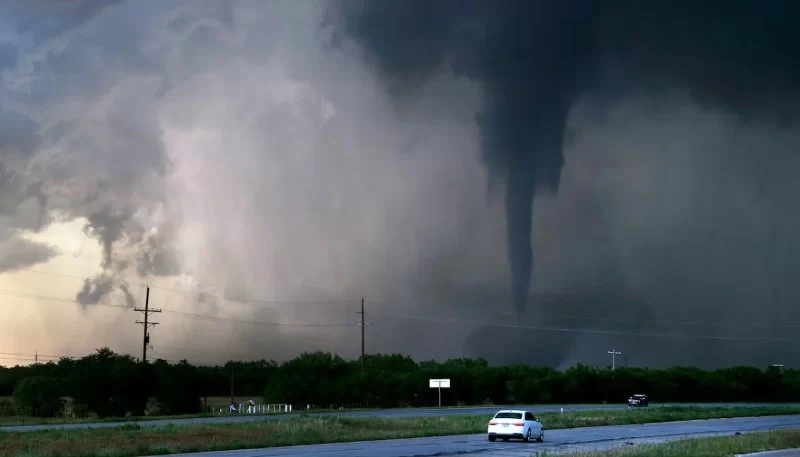
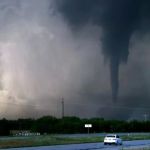
The third experience is the one that changed everything. A tornado watch was issued for the region where I was camping. At first, it felt like just another alert—something that might not actually happen in my exact location.
But tornado watches are not casual warnings. They indicate conditions are favorable for severe rotating storms. This time, I didn’t ignore it completely—but I underestimated how quickly conditions could escalate.
What actually happened at the campsite
Within a short period, wind direction shifted noticeably. The sky changed color, and pressure in the air became heavy in a way that is hard to describe unless you have experienced it. Other campers began packing up rapidly. The sense of urgency was immediate and collective.
We relocated to a safer structure just in time. Later, we learned that a tornado warning was issued nearby shortly after. That gap between “watch” and “warning” is where many campers misjudge risk—and I was no exception before that moment.
Why Campers Ignore Weather Warnings More Than They Should
The psychology of “it won’t happen here”
One of the biggest issues in outdoor decision-making is optimism bias. Campers often believe severe weather will affect areas nearby but not their exact location. This mindset is reinforced by past experiences where warnings did not result in visible danger.
Over time, this creates a pattern of selective attention—checking alerts but not acting on them unless conditions already look threatening.
The gap between forecast and reality
Weather systems are probabilistic, not guaranteed. This means warnings are based on likelihood, not certainty. Understanding this difference is crucial for anyone spending time outdoors, especially in regions prone to rapid storm development.
What Camping Weather Warnings Really Mean in Practice
How to interpret alerts without panic or dismissal
Camping weather warnings are designed to give time, not fear. A tornado watch means conditions are becoming unstable. A warning means immediate action is required. The mistake most campers make is treating watches as background noise rather than preparation signals.
In practice, a watch should trigger readiness—checking exit routes, securing gear, and being mentally prepared to move quickly if needed.
A real pattern observed in outdoor communities
Experienced campers often describe a “two-stage response”: preparation during watches and immediate evacuation during warnings. This structured approach reduces panic and improves safety outcomes significantly.
How That Tornado Watch Changed My Camping Behavior
From reactive decisions to proactive planning
After the third incident, camping stopped being just about location and comfort—it became about awareness. Checking weather systems before and during trips is now as important as packing gear.
Small habits changed everything: monitoring radar updates, choosing campsites with shelter access, and never ignoring alerts even when skies look calm.
Why experience teaches what forecasts cannot
No amount of reading about storms compares to standing in an environment where conditions shift within minutes. That experience builds respect for weather systems in a way that purely informational advice cannot fully replicate.
Where Better Preparation Starts for Safer Camping
Many outdoor travelers now turn to structured resources like Lanikai Camp to better understand gear selection, campsite planning, and weather-safe camping strategies. Having access to practical guidance helps reduce the risk of misjudging conditions, especially in unfamiliar regions.
When preparation meets awareness, camping becomes not only more enjoyable but significantly safer—even when weather conditions are unpredictable.





 Cottonwood Ridge Manufactured Housing Communing3.0 (3 reviews)
 French Quarter Estates4.0 (9 reviews)
 Rancho RV Sites5.0 (5 reviews)
 Little Dune II Campsite4.0 (9 reviews)
 Florida Sun Estates Mobile Home Park3.0 (51 reviews)
 Heritage Lake Campground4.0 (15 reviews)
 Why I Switched from a Tent to a Hammock for Appalachian Trail Section Hikes
 Camping with a Bad Back: Chairs, Mats, and Sleeping Solutions That Saved Me
 20 Camping Hacks Using Dollar Store Items That Actually Work
 How to Read a Topographic Map When Your Phone Dies and You’re Lost
 Three Times I Ignored Weather Warnings Camping – Tornado Watch Story
 Why Your $50 Sleeping Bag Feels Colder Than the Ground Outside – Real Camping Truth