
- toddler-eating-dirt-camping-real-family-story
- unexpected-kid-behavior-outdoor-camping-trip
- family-camping-challenges-with-young-children
- parenting-lessons-from-outdoor-camping-experience
- how-to-manage-toddler-safety-in-nature
My Toddler Ate Dirt for Three Days Straight – And We All Had a Blast Camping
Family camping rarely goes exactly as planned, especially when toddlers are involved. You prepare for weather changes, sleeping arrangements, food logistics, and safety—but nothing truly prepares you for the unexpected behaviors that emerge when a toddler experiences nature for the first time. In our case, that unexpected behavior was a very committed interest in eating dirt for three days straight during a camping trip.
What sounds chaotic at first actually turned into one of the most memorable and strangely joyful family camping experiences we’ve ever had. It changed how we think about parenting outdoors, stress levels in nature, and what “a successful trip” really means.
The First Day: Shock, Laughter, and Redefining Expectations
When nature becomes a toddler playground
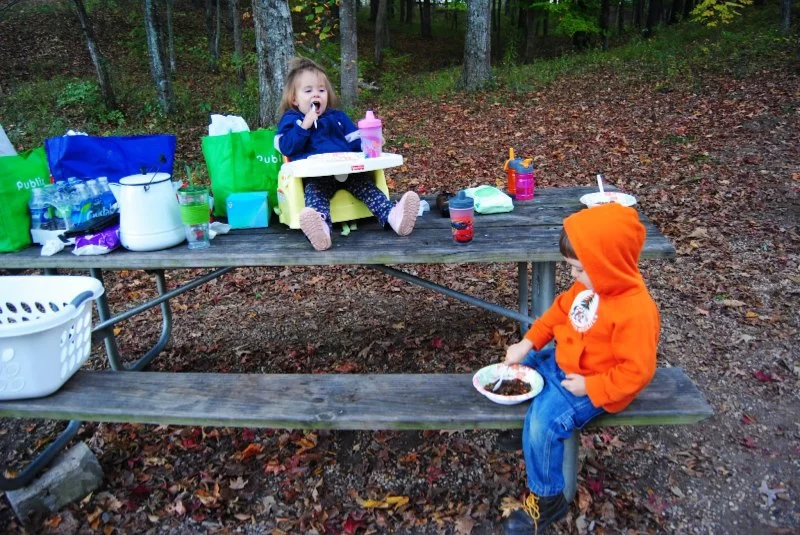
The first morning at the campsite felt perfect. Fresh air, quiet surroundings, and a toddler who was excited to explore everything at ground level. Within minutes of settling in, curiosity took over. Hands touched soil, fingers went straight to the mouth, and suddenly we realized this was not going to be a typical camping trip.
At first, there was panic. Then laughter. Then a quick mental adjustment. Instead of trying to control every moment, we began observing how naturally our toddler interacted with the environment.
A common parenting moment in outdoor settings
Talk to any parent who camps with young children, and you’ll hear similar stories—mud, sticks, bugs, and endless curiosity. In fact, pediatricians often note that safe exposure to natural environments can support sensory development. Of course, supervision is essential, but complete restriction is not always realistic in outdoor settings.
The Second Day: Acceptance and Learning Through Observation
Understanding behavior instead of fighting it
By the second day, the initial shock had faded. We noticed patterns. Our toddler wasn’t randomly eating dirt out of mischief—it was part curiosity, part sensory exploration. The texture, the smell, and the novelty all played a role.
Instead of constantly interrupting, we began redirecting gently—offering snacks, water breaks, and engaging distractions like small nature walks and safe object collection activities.
Why outdoor environments change parenting dynamics
Camping removes many of the controlled environments parents rely on at home. There are no baby gates, no perfectly clean floors, and no constant indoor boundaries. This forces a shift from control-based parenting to awareness-based parenting, where observation becomes more important than restriction.
The Third Day: Dirt, Laughter, and Unexpected Peace
When chaos becomes normal
By the third day, something unexpected happened: we stopped stressing about the dirt entirely. Our toddler had fully embraced the outdoor experience, and so had we. There was still supervision, of course, but the emotional response had completely changed.
What once felt alarming now felt almost symbolic of what camping with kids really is—messy, unpredictable, and deeply alive.
A real moment that changed our perspective
One afternoon, while sitting near the tent, we watched our toddler carefully examine a handful of soil like it was treasure. Instead of stopping the moment immediately, we paused. That pause turned into a shared laugh between us as parents. It was a reminder that not every moment needs correction—some just need context and calm supervision.
What This Taught Us About Family Camping with Toddlers
Safety awareness without overreaction
Camping with toddlers requires a balance between safety and freedom. Dirt ingestion is not ideal, but in controlled outdoor environments, the greater risk often comes from overcorrection and stress. The key is ensuring the environment is safe—clean water access, known terrain, and supervision—while allowing natural exploration.
Redefining what “a good trip” means
Before this experience, success meant a smooth, controlled, and predictable trip. Afterward, success became something different: shared memories, laughter, adaptability, and resilience as a family unit.
The dirt-eating phase, as strange as it sounds, became part of the story we still talk about long after returning home.
How to Prepare for Stress-Free Camping with Young Children
Practical adjustments that make a big difference
Simple preparation can significantly reduce stress. Bringing familiar snacks, setting up shaded play areas, and choosing campsites with safe, open ground areas helps toddlers explore more safely. Flexibility is also key—plans will change, and that’s part of the experience.
Many families also find it helpful to research family-friendly camping environments and gear setups through trusted outdoor resources like Lanikai Camp, which focuses on matching real camping needs with practical solutions for families.
The emotional side of outdoor parenting
Beyond logistics, family camping often teaches patience. It encourages parents to slow down, observe more, and accept imperfection. These emotional shifts often matter more than any gear or checklist.

 Burns Lake Campground4.0 (69 reviews)
 Plymouth Sands Campground5.0 (65 reviews)
 Olive Lane Trailer Park4.0 (36 reviews)
 Lochness Marina & RV Park4.0 (60 reviews)
 FHL RV Park4.0 (18 reviews)
 Rv park0.0 (0 reviews)
 Why I Switched from a Tent to a Hammock for Appalachian Trail Section Hikes
 Camping with a Bad Back: Chairs, Mats, and Sleeping Solutions That Saved Me
 20 Camping Hacks Using Dollar Store Items That Actually Work
 Three Times I Ignored Weather Warnings Camping – Tornado Watch Story
 How to Read a Topographic Map When Your Phone Dies and You’re Lost
 Why Your $50 Sleeping Bag Feels Colder Than the Ground Outside – Real Camping Truth