
- emotional-benefits-of-solo-camping-extrovert-perspective
- unexpected-mental-shift-from-solo-outdoor-travel
- real-solo-camping-experience-and-self-reflection-story
- how-nature-helps-emotional-reset-and-clarity
- why-extroverts-benefit-from-being-alone-in-nature
The Emotional Benefits of Solo Camping I Never Expected as an Extrovert
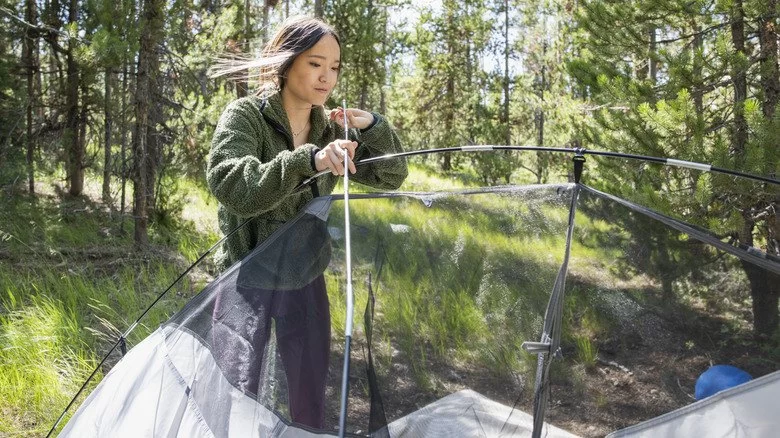
Solo camping is often associated with introverts—people who naturally enjoy solitude and quiet reflection. But what happens when an extrovert steps into that same environment? The emotional benefits of solo camping can be surprisingly profound, especially for someone used to constant social interaction. What begins as a simple outdoor trip often turns into a deeper internal experience that reshapes how connection, silence, and personal space are understood.
For many extroverts, being alone in nature feels unfamiliar at first. The absence of conversation, group energy, and external stimulation can feel almost uncomfortable. Yet, over time, that discomfort often transforms into clarity, emotional grounding, and a sense of balance that daily social life rarely provides.
Why Solo Camping Feels Different When You’re an Extrovert
The shift from external energy to internal awareness
Extroverts typically draw energy from people, conversations, and shared experiences. When those inputs are removed during solo camping, the brain naturally shifts inward. Instead of reacting to external stimuli, attention turns toward thoughts, emotions, and subtle environmental details like wind, light, and sound.
This shift can feel strange at first, almost like stepping into unfamiliar mental territory. But it is precisely this unfamiliarity that creates room for emotional growth and self-awareness.
A real experience from a first-time solo camper
One traveler shared how their first solo camping trip in a quiet forest area initially felt overwhelming. Accustomed to busy weekends with friends, the silence on the first night felt “too loud.” But by the second evening, something changed. Instead of reaching for distractions, they began noticing patterns in nature—the rhythm of insects, the shifting light through trees, and even their own breathing.
That small shift marked the beginning of a deeper emotional reset that continued long after the trip ended.
Emotional Benefits of Solo Camping That Often Go Unnoticed
Reduced mental noise and decision fatigue
Modern life, especially for extroverts, often involves constant decision-making and social engagement. Solo camping removes much of that external pressure. Without conversations to manage or schedules to follow, the mind gradually quiets down.
This reduction in mental noise often leads to clearer thinking and improved emotional stability. Many campers report returning from trips with a stronger sense of focus and calm.
Rebuilding comfort with silence
Silence can feel uncomfortable for people used to constant interaction. However, in a natural environment, silence is not empty—it is full of subtle sound layers. Over time, campers begin to interpret silence not as absence, but as presence.
This redefinition of silence is one of the most powerful emotional benefits of solo camping.
How Nature Changes Emotional Processing
Why natural environments encourage emotional honesty
Nature removes many of the distractions that typically mask emotional states. Without social roles or expectations, people often find themselves thinking more honestly about their feelings, goals, and relationships.
This does not always lead to dramatic realizations, but it often creates gentle clarity—an understanding of what feels right or wrong without external influence.
A widely shared outdoor reflection pattern
A common story among solo campers involves the second or third night of a trip. After initial discomfort fades, many describe a moment of emotional settling. Thoughts that felt overwhelming in daily life begin to feel more manageable, as if distance from routine allows perspective to naturally form.
This pattern is one reason solo camping is increasingly recommended in discussions about mental well-being and digital overload recovery.
The Unexpected Emotional Strength Built Through Solo Camping
Independence without isolation
One misconception about solo camping is that it leads to loneliness. In reality, it often builds emotional independence rather than isolation. Campers learn to rely on themselves for comfort, decision-making, and emotional regulation while still feeling connected to the environment around them.
This balance between solitude and connection is especially transformative for extroverts, who are used to external validation and shared emotional processing.
Real-world confidence building
Handling practical challenges alone—setting up camp, managing weather changes, or navigating unfamiliar terrain—creates a quiet but strong sense of confidence. This confidence often extends into everyday life after the trip ends.
Many solo campers report feeling more capable in social and professional situations simply because they proved to themselves that they could handle uncertainty independently.
A Personal Turning Point in Solo Camping Experience
From discomfort to emotional clarity
One memorable account describes an extroverted traveler who initially booked a solo trip as a “challenge” rather than a lifestyle choice. The first night was filled with restlessness and the urge to leave early. However, by mid-trip, something shifted. The absence of constant interaction allowed deeper thoughts to surface—thoughts that had been ignored during busy routines.
By the end of the trip, the traveler described feeling “mentally reorganized,” as if internal clutter had been cleared.
Why these moments matter more than expected
These emotional turning points are not dramatic revelations but subtle realignments. They often influence long-term behavior, including how people manage stress, relationships, and personal time after returning home.
How to Prepare for a Meaningful Solo Camping Experience
Creating comfort without overpacking distractions
Successful solo camping does not require advanced survival skills, but it does require thoughtful preparation. The goal is not to eliminate comfort but to avoid unnecessary distractions that prevent emotional reflection.
A balanced setup—comfortable sleeping gear, reliable shelter, and simple meals—allows the mind to focus on experience rather than logistics.
Finding the right environment for emotional reset
Choosing the right campsite matters. Quiet, safe, and natural settings tend to support deeper emotional benefits. Many campers explore curated outdoor guidance platforms like Lanikai Camp to better match their experience level with suitable environments and gear recommendations.
When the environment aligns with intention, the emotional benefits of solo camping become more accessible and meaningful.





 Oaks Home Owners Association3.0 (35 reviews)
 Haas-Cienda Ranch RV Park4.0 (93 reviews)
 Hwy 21 RV Park and Storage4.0 (131 reviews)
 The Isle of Spruce Creek0.0 (0 reviews)
 Frontier Travel Park2.0 (100 reviews)
 Starr Mountain Retreat4.0 (9 reviews)
 Why I Switched from a Tent to a Hammock for Appalachian Trail Section Hikes
 Camping with a Bad Back: Chairs, Mats, and Sleeping Solutions That Saved Me
 20 Camping Hacks Using Dollar Store Items That Actually Work
 How to Read a Topographic Map When Your Phone Dies and You’re Lost
 Three Times I Ignored Weather Warnings Camping – Tornado Watch Story
 Why Your $50 Sleeping Bag Feels Colder Than the Ground Outside – Real Camping Truth