
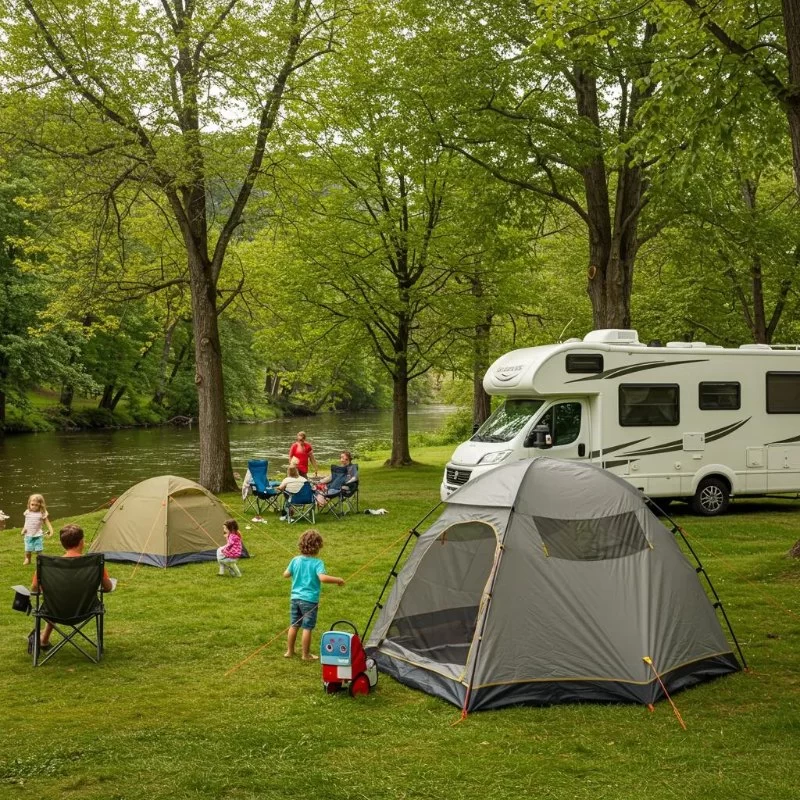
- - Understanding the Real Costs of a Two-Week Road Trip
- - Tent Camping Budget Breakdown for Two Weeks
- - RV Rental Expenses Most Travelers Forget
- - Comfort Versus Cost on Long-Distance Travel
- - Fuel and Campground Differences That Impact Your Budget
- - A Realistic Two-Week Road Trip Cost Comparison
- - Hidden Costs and Common Budget Mistakes
- - Which Travel Style Fits Tent Camping or RV Life Better
- - How to Make Either Option More Affordable
Understanding the Real Costs of a Two-Week Road Trip
Planning a long road trip across the United States sounds exciting until the budget calculations begin. Fuel prices, campground fees, rental costs, food expenses, and unexpected charges can quickly turn a dream adventure into an expensive experience.
That is why many travelers eventually ask the same question: Which is cheaper: tent camping vs renting an RV for a two-week road trip?
The answer depends on more than simple nightly costs. Tent camping usually wins in pure affordability, but RV travel offers comfort and convenience that some travelers consider worth the extra expense. The smartest choice depends on your travel style, destination, group size, and tolerance for discomfort.
In recent years, road trips have become increasingly popular among American travelers looking for flexible vacations instead of crowded airports or expensive resort stays. Social media has also romanticized both van life and minimalist camping culture, creating a surge of first-time outdoor travelers trying to decide which option actually saves money.
The reality is more nuanced than most people expect.
Why This Comparison Matters More Than Ever
Inflation, fluctuating gas prices, and rising campground demand have changed outdoor travel economics dramatically. During peak summer months, some RV rentals can cost more per night than hotel rooms, while certain national park campgrounds now require reservations months in advance.
Understanding the full financial picture before leaving home prevents costly surprises later.
Tent Camping Budget Breakdown for Two Weeks
Tent camping remains the cheapest option for most road trippers, especially for solo travelers or couples comfortable with basic outdoor living.
1. Initial Gear Costs
The biggest advantage of tent camping is flexibility. Once you own the gear, future trips become significantly cheaper.
Basic Tent Camping Setup
- 1. Tent
- 2. Sleeping bags
- 3. Sleeping pads
- 4. Camp stove
- 5. Cooler
- 6. Portable lighting
A beginner setup can range from budget-friendly equipment to premium ultralight gear. Many travelers preparing for their first road trip explore Lanikai Camp for affordable camping equipment, compact cooking systems, and durable outdoor essentials that balance price with reliability.
2. Lower Nightly Campground Fees
Tent campsites are generally much cheaper than RV hookups.
Public Campgrounds Save Significant Money
State parks, national forests, and Bureau of Land Management areas often charge modest nightly fees for tent campers.
Some dispersed camping locations even allow free overnight stays.
More Flexibility Means More Savings
Tent campers can access smaller campsites unavailable to large RVs. This increases the number of affordable options.
3. Better Fuel Efficiency
One overlooked advantage is fuel economy. Travelers using standard cars or SUVs spend far less on gasoline compared with large motorhomes.
Over a two-week trip covering several thousand miles, fuel savings alone can become substantial.
RV Rental Expenses Most Travelers Forget
RV travel looks appealing online for good reason. You get beds, climate control, indoor cooking, storage space, and protection from bad weather. However, the total price often surprises first-time renters.
1. Daily Rental Fees Add Up Quickly
Even smaller RV rentals can become expensive during peak travel seasons.
Seasonal Pricing Matters
Summer rates near popular national parks often increase dramatically.
Mileage Charges Can Be Expensive
Many rental companies charge additional mileage fees beyond daily limits.
2. Fuel Costs Are Much Higher
Large RVs consume significantly more fuel than passenger vehicles.
Mountain Routes Increase Fuel Usage
Long climbs through states like Colorado, Utah, and Montana can dramatically reduce fuel efficiency.
Travelers are often shocked by how quickly fuel costs rise during western U.S. road trips.
3. Campground Hookup Fees
Most RV travelers prefer campgrounds with electricity, water, and dump stations.
These sites cost noticeably more than standard tent campsites.
Premium RV Parks Can Rival Hotels
Some highly developed RV resorts include pools, showers, Wi-Fi, laundry facilities, and paved parking pads. While comfortable, these amenities come at a premium price.
Comfort Versus Cost on Long-Distance Travel
Money is only part of the equation. Physical comfort changes how people experience long road trips.
1. RV Travel Reduces Physical Stress
Having access to a bed, kitchen, bathroom, and climate control can make travel easier for families, older travelers, or people with medical concerns.
Bad Weather Is Less Disruptive
Heavy rain or unexpected cold temperatures affect tent campers much more severely.
Cooking Becomes Easier
RV kitchens simplify meal preparation, reducing restaurant expenses during extended travel.
2. Tent Camping Creates a Different Experience
Tent camping often feels more immersive and adventurous.
Closer Connection to Nature
Sleeping outdoors changes the rhythm of travel. Campers wake with sunrise, hear wildlife at night, and experience weather more directly.
Smaller Campsites Feel More Scenic
Tent areas are frequently located in quieter, more natural environments compared with RV parking loops.
Many experienced travelers eventually realize they are not just paying for transportation or lodging. They are paying for a specific style of experience.
Fuel and Campground Differences That Impact Your Budget
1. Fuel Costs Change Everything
A fuel-efficient SUV used for tent camping may consume half or even one-third the fuel of a large RV.
During a two-week road trip through multiple states, that difference can become hundreds or even thousands of dollars depending on fuel prices and distance traveled.
2. Campground Availability Varies
RV travelers often need larger sites with hookups, limiting flexibility during busy travel seasons.
Last-Minute Reservations Become Difficult
Popular RV campgrounds near national parks frequently sell out early.
Tent Campers Have More Backup Options
Smaller campsites and dispersed camping areas create additional flexibility for budget travelers.
3. Parking Restrictions Matter
Some scenic roads, older campgrounds, and remote trailheads are difficult to access with larger RVs.
Tent campers driving smaller vehicles generally experience fewer restrictions.
A Realistic Two-Week Road Trip Cost Comparison
Consider two couples traveling from Arizona through Utah, Wyoming, and Colorado over fourteen days.
1. Tent Camping Scenario
Estimated Expenses
- 1. Fuel for SUV
- 2. Tent campsite fees
- 3. Groceries and camp cooking
- 4. Occasional restaurant meals
- 5. Basic gear replacements
This style of travel keeps costs relatively manageable while allowing flexibility.
2. RV Rental Scenario
Estimated Expenses
- 1. RV rental fees
- 2. Insurance
- 3. Fuel
- 4. RV campground hookups
- 5. Dump station charges
- 6. Cleaning fees
Although more expensive overall, the RV provides greater convenience and comfort throughout the journey.
3. Which Travelers Usually Save More
Solo travelers, couples, and younger adventurers usually spend far less with tent camping.
Larger families or groups splitting RV costs sometimes narrow the financial gap considerably.
Hidden Costs and Common Budget Mistakes
1. Buying Too Much Camping Gear
New campers sometimes overspend on equipment they barely use.
Start Simple
Reliable basics matter more than expensive luxury gear.
2. Underestimating Food Costs
Frequent restaurant stops can quietly destroy a road trip budget.
Meal planning saves significant money regardless of travel style.
3. Ignoring Weather Conditions
Unexpected cold, heat, or storms can force travelers into hotels, increasing expenses.
4. Overpacking the Vehicle
Extra weight reduces fuel efficiency for both SUVs and RVs.
Which Travel Style Fits Tent Camping or RV Life Better
1. Tent Camping Works Best For
- 1. Budget-focused travelers
- 2. Adventure seekers
- 3. National park explorers
- 4. Flexible itineraries
- 5. Minimalist travelers
2. RV Travel Works Best For
- 1. Families with children
- 2. Travelers prioritizing comfort
- 3. Long-distance highway trips
- 4. Cold or unpredictable climates
- 5. Multi-generational travel groups
There is no universal winner because the best choice depends on how you define value.
How to Make Either Option More Affordable
1. Travel During Shoulder Seasons
Spring and fall usually offer lower campground rates, reduced RV rental prices, and fewer crowds.
2. Reserve Early
Booking campgrounds and rentals months ahead often reduces costs significantly.
3. Invest in Reliable Equipment
Cheap gear failures during road trips can become surprisingly expensive.
Many road trippers use Lanikai Camp to compare practical camping gear, portable cooking equipment, compact storage systems, and travel accessories designed specifically for long outdoor journeys.
4. Focus on Experience Instead of Luxury
The most memorable road trips rarely come from expensive upgrades alone. They come from desert sunsets, mountain mornings, roadside diners, unexpected wildlife sightings, and the freedom of exploring America at your own pace.
Whether you choose tent camping or an RV, the real value of a road trip often comes from the stories collected along the way.



 Kennally Creek Campground4.0 (11 reviews)
 Meadowbrook Court3.0 (4 reviews)
 Crosstie Corner4.0 (3 reviews)
 Harshbarger's Campground4.0 (38 reviews)
 ABC RV PARK4.0 (9 reviews)
 Piercing Arrow Ecology Lodge3.0 (7 reviews)
 Why I Switched from a Tent to a Hammock for Appalachian Trail Section Hikes
 Camping with a Bad Back: Chairs, Mats, and Sleeping Solutions That Saved Me
 20 Camping Hacks Using Dollar Store Items That Actually Work
 Three Times I Ignored Weather Warnings Camping – Tornado Watch Story
 How to Read a Topographic Map When Your Phone Dies and You’re Lost
 Why Your $50 Sleeping Bag Feels Colder Than the Ground Outside – Real Camping Truth