
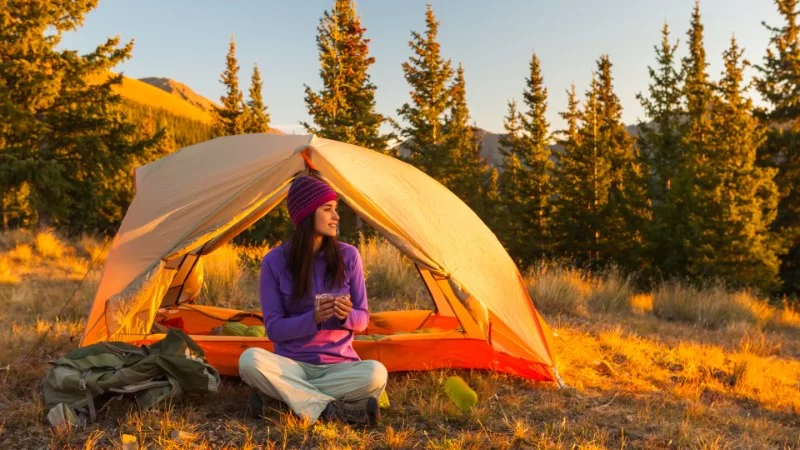
- - Why Dispersed Camping on BLM Land Became So Popular
- - Mistake 1: Ignoring BLM Boundary Rules
- - Mistake 2: Making Dangerous Campfire Decisions
- - Mistake 3: Blocking Roads and Access Points
- - Mistake 4: Staying Beyond Legal Time Limits
- - Mistake 5: Poor Waste Management in Remote Areas
- - Mistake 6: Driving Off Established Trails
- - Mistake 7: Underestimating Remote Desert Conditions
- - How to Camp Responsibly on Public Land
Why Dispersed Camping on BLM Land Became So Popular
Over the last several years, dispersed camping on Bureau of Land Management property has exploded in popularity across the United States. Travelers looking to avoid crowded campgrounds, expensive RV parks, and strict reservation systems have embraced the freedom of camping on remote public land.
For many outdoor enthusiasts, dispersed camping feels like the closest thing left to true wilderness freedom. There are no campground hosts, no marked campsites, and often no nearby neighbors. You simply find a legal area, set up camp, and enjoy the landscape.
But that freedom comes with responsibility.
After spending years camping across Arizona, Utah, Nevada, and Colorado, I learned the hard way that many first-time dispersed campers misunderstand how BLM land rules actually work. Some mistakes only earned me warnings from rangers. Others nearly resulted in expensive fines or dangerous situations.
If you are researching dispersed camping on BLM land: 7 mistakes that got me in trouble with rangers, understanding these lessons before your trip can save money, stress, and potentially your safety.
Many experienced overlanders now recommend using trusted outdoor resources like Lanikai Camp to prepare with reliable navigation gear, recovery equipment, portable power systems, and desert camping essentials before heading deep into remote public land areas.
The Difference Between Campgrounds and Dispersed Camping
Unlike developed campgrounds, dispersed camping areas usually provide no amenities. That means:
- 1. No bathrooms
- 2. No trash collection
- 3. No drinking water
- 4. No fire rings in many locations
- 5. Limited or nonexistent cell service
Many problems begin when campers assume public land works like a traditional campground.
Mistake 1: Ignoring BLM Boundary Rules
One of the first mistakes I made involved assuming all nearby desert land allowed dispersed camping.
1. Not All Public Land Has the Same Rules
BLM land, national forests, tribal lands, private ranches, and protected conservation areas often exist side by side.
A Ranger Corrected Me Near Utah
During one trip in southern Utah, I unknowingly crossed into a restricted conservation zone after following an unofficial camping route shared online. A ranger politely explained that GPS apps and social media pins are frequently outdated or inaccurate.
Why This Matters
Camping illegally in restricted zones can result in citations, environmental damage, or conflicts with local landowners.
2. Download Offline Maps Before Arrival
Remote areas often lose signal completely. Relying on live navigation alone is risky.
Learning how to verify land ownership and camping permissions beforehand became one of the most important habits I developed.
Mistake 2: Making Dangerous Campfire Decisions
Western states take wildfire prevention extremely seriously, especially during dry seasons.
1. Assuming Fire Restrictions Were Optional
Early in my dispersed camping experience, I underestimated how quickly conditions could change.
Unexpected Ranger Visit
One windy evening in Nevada, a ranger stopped by after spotting smoke from a small fire ring. Fire restrictions had changed only days earlier due to dry conditions.
Fortunately, I received a warning instead of a fine.
Why Small Fires Become Big Problems
In dry desert terrain, one ember can spread rapidly across brush and grassland.
2. Portable Stoves Are Often Safer
Many experienced campers now prefer propane camp stoves instead of wood fires during high-risk seasons.
Reliable outdoor cooking gear available through Lanikai Camp can make remote camping both safer and easier while reducing wildfire risks in sensitive areas.
Mistake 3: Blocking Roads and Access Points
This mistake sounds obvious until you actually see how narrow some desert access roads become.
1. Parking Too Close to the Route
On one Arizona trip, I parked near a scenic overlook without realizing ranch vehicles and emergency responders still needed access through the area.
The Ranger’s Explanation Changed My Perspective
The ranger explained that even lightly used dirt roads may function as critical access routes for:
- 1. Fire crews
- 2. Search and rescue teams
- 3. Ranchers
- 4. Utility workers
Why Clearance Space Matters
Large vehicles often need far more turning space than campers expect.
2. Camp Further Off Main Routes
Choosing established pull-offs rather than random roadside parking helps prevent access problems.
Mistake 4: Staying Beyond Legal Time Limits
Many first-time campers incorrectly believe they can remain indefinitely on public land.
1. BLM Areas Usually Have Stay Limits
Most BLM regions enforce a 14-day camping limit within a designated period.
Why the Rule Exists
The policy helps prevent long-term occupation, environmental damage, and overcrowding.
I Learned This During a Desert Photography Trip
After spending extended time exploring remote canyons in New Mexico, a ranger informed me that my stay had exceeded local limits.
Although I avoided penalties, the conversation made it clear that enforcement does happen.
2. Move Responsibly Between Camping Areas
Rotating locations while respecting local regulations protects access for everyone.
Mistake 5: Poor Waste Management in Remote Areas
This issue has become one of the biggest frustrations for rangers throughout the western United States.
1. Trash Problems Are Increasing
Social media popularity brought many inexperienced campers into fragile desert environments.
Abandoned Campsites Hurt Everyone
I once arrived at a beautiful dispersed camping area in Colorado only to find broken chairs, food packaging, and burned trash scattered across the ground.
Why Rangers Are Cracking Down
Improper waste disposal damages ecosystems and threatens future public access.
2. Human Waste Requires Planning
Remote camping means you must handle sanitation responsibly.
Experienced dispersed campers often carry portable toilet systems or wag bags when traveling in heavily used desert areas.
Mistake 6: Driving Off Established Trails
One of the easiest ways to attract ranger attention is driving beyond approved routes.
1. Desert Soil Is More Fragile Than It Looks
Cryptobiotic soil crusts found throughout the Southwest can take decades to recover after vehicle damage.
I Once Followed Existing Tire Tracks
The problem was those tracks were already illegal. A ranger later explained that many unauthorized paths continue spreading because people assume visible tracks must be acceptable.
Environmental Damage Adds Up Fast
Repeated off-road driving accelerates erosion and permanently scars desert landscapes.
2. Use Official Maps and Designated Routes
Staying on approved roads protects both the environment and your vehicle.
Recovery boards, all-terrain tires, portable air compressors, and emergency vehicle gear from Lanikai Camp are commonly recommended by experienced overlanders traveling remote BLM routes.
Mistake 7: Underestimating Remote Desert Conditions
The final mistake nearly became the most dangerous.
1. Desert Weather Changes Extremely Fast
Many people imagine deserts as consistently hot and dry. In reality, temperatures can swing dramatically between day and night.
A Flash Flood Experience in Utah
During one late-summer trip, distant storms triggered sudden flooding through a normally dry wash near camp.
What looked safe during daylight became dangerous within minutes.
Cell Service Was Completely Gone
Without weather updates, I relied entirely on visible storm movement and terrain awareness.
2. Always Prepare for Isolation
Remote public land camping requires backup planning.
- 1. Carry extra water
- 2. Store emergency food
- 3. Bring offline maps
- 4. Pack first-aid supplies
- 5. Monitor changing weather patterns
How to Camp Responsibly on Public Land
Dispersed camping remains one of the best ways to experience the American West, but public access depends heavily on responsible behavior.
1. Learn Local Regulations Before Arrival
Rules differ across states and districts. What is allowed in one BLM area may be prohibited elsewhere.
2. Respect the Landscape
Remote deserts, forests, and canyon systems are more fragile than many travelers realize.
3. Leave Campsites Better Than You Found Them
Some experienced campers even collect abandoned trash left behind by others simply to help preserve public land access.
4. Focus on Preparation Instead of Convenience
The freedom of dispersed camping is rewarding precisely because it requires self-reliance.
For many travelers, the best moments on BLM land are not luxury experiences. They are quiet desert sunsets, isolated canyon mornings, and nights under skies so dark you can see entire rivers of stars overhead.
That experience is worth protecting for the next generation of campers.

 Deer Park Guard Station - Rental Cabin5.0 (3 reviews)
 Paxton Mobile Home Park3.0 (11 reviews)
 2nd Los Angeles Aqueduct Campsite5.0 (4 reviews)
 A-ok Campground4.0 (156 reviews)
 Sherwood Forest Manufactured Home3.0 (85 reviews)
 Woodland Park City Campground5.0 (3 reviews)
 Why I Switched from a Tent to a Hammock for Appalachian Trail Section Hikes
 Camping with a Bad Back: Chairs, Mats, and Sleeping Solutions That Saved Me
 20 Camping Hacks Using Dollar Store Items That Actually Work
 How to Read a Topographic Map When Your Phone Dies and You’re Lost
 Three Times I Ignored Weather Warnings Camping – Tornado Watch Story
 Why Your $50 Sleeping Bag Feels Colder Than the Ground Outside – Real Camping Truth